admin341

lokta paper table lamp

What is Lokta Paper? Nepal’s Eco-Friendly Material for Handmade Lamps

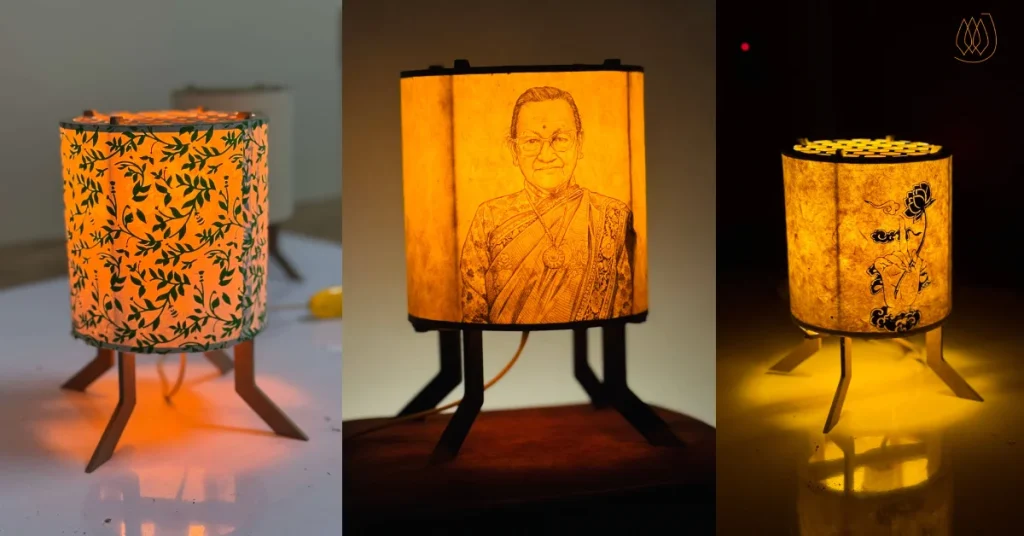
If you have ever held a Mandap Jyoti table lamp and noticed the unique texture of the paper material like something made with patience rather than machinery, that is lokta paper. Lokta paper is one of Nepal’s most distinctive natural materials. It has been made by hand in the hills of Nepal for many years, and today it still wraps the lampshades we make right here in Kathmandu. This post is about what lokta actually is, why it produces such beautiful light, and why we chose it as one of the core materials for our lamps. What exactly is Lokta Paper? Lokta paper is a handmade paper produced from the bark of the Daphne plant which is a wild shrub that grows in Nepal’s mid-hill forests, typically between 2,000 and 4,000 metres above sea level. The plant is called lokta in Nepali, which is also where the paper gets its name. What makes lokta special, even compared to other handmade papers, is the fibre itself. Daphne bark fibres are long, strong and naturally resistant to insects and moisture. Paper made from these fibres does not become brittle with age the way wood-pulp paper does. A great example of Lokta paper’s quality is seen in historical documents where many written centuries ago are still clearly legible today. Where Does the Daphne Plant Come From, and Why Is It Sustainable? The Daphne shrub grows wild across Nepal’s hills. It is one of the natural resources that is neither planted nor farmed.  To produce Lokta paper or Nepali Kagaj, the harvesting is done carefully as the harvester cuts only the upper stems of the Daphne plant, leaving the root intact so the shrub can naturally regenerate. This makes Lokta paper one of the more genuinely sustainable raw materials used in Nepali craftship, not as a marketing claim, but simply because that is how it has always been done from ancient times.  Throughout the years, overharvesting had destroyed the resource, so many communities have managed it responsibly for future generations. How Lokta Paper is Made: A Process Unchanged for Centuries The papermaking process is the same as the old days or the traditional way. The bark is first boiled to soften the fibres, then beaten into a pulp by hand. The pulp is mixed with water in a large wooden frame, spread out thinly and evenly, and left to dry in the sun on woven bamboo screens. What comes off those screens is a sheet of paper unlike anything produced by a factory. The texture is rough in the best possible way, you can see individual fibres running through it, slight irregularities where the pulp was a little thicker or thinner, the occasional small variation in tone. Each sheet is slightly different. That is not a flaw; it is what handmade means. Lokta paper can be made in natural off-white or dyed in rich earth tones like ochre, terracotta, deep rust, forest green. The dyes traditionally used in Nepal are themselves often plant-based, which keeps the material consistent with the natural philosophy behind it. Why Lokta Paper Creates Such Beautiful Lamp Light When Lokta paper is stretched over a metal lamp frame and a light is placed inside, the effect is immediately noticeable. Instead of blocking the light, the natural fibres gently scatter it, creating a soft, even glow without any harsh brightness or sharp spots. There’s a warmth to this light that you simply don’t get from plastic or synthetic materials. If the paper is dyed in tones like amber, honey, or rust, the colour subtly spreads throughout the room, making the space feel calm and inviting rather than stark or clinical. Many people say it feels closer to candlelight than any modern lamp they’ve used. And if we talk about the texture. Lokta paper doesn’t look factory-made or mass-produced. When it wraps around a lamp frame, it has a natural, handcrafted feel, like something shaped by human hands, not a machine. Lokta Paper in MandapJyoti’s Handcrafted Lamps At Mandap Jyoti, we use lokta paper as one of the natural outer coverings on our metal-framed lamps. The metal frame gives the lamp its structure and durability. The lokta paper, along with jute, macrame rope or natural fibre wrapping gives the lamp its character. We source our lokta paper from makers in the Kathmandu Valley who still produce it using the traditional process. We specifically look for paper that has visible texture but not the smoothed-out product from machine-pressed  because that roughness is what makes each lamp shade unique. The combination of a solid metal interior with a natural paper exterior means the lamp is both robust and genuinely beautiful. The metal holds its shape. The lokta paper breathes and glows the light. Explore Lokta Paper Lamps Discover handcrafted lamps by Mandap Jyoti—perfect for homes, cafés, and thoughtful decor. Choose Your Lamp A Material Worth Knowing Most people encounter lokta paper without knowing its name. They might have seen it used in Nepali notebooks, gift wrapping or prayer flags. As a lampshade material, it is less widely known outside Nepal, which means there is something quietly special about owning a lamp made with it. It is not mass-produced. It is not made in a factory. It comes from a hillside plant, processed by hand in a village, dyed with natural colour, and eventually stretched carefully over a lamp frame in MandapJyoti. That journey is part of what you are bringing into your home. If you would like to see our lokta paper ceiling lamps and table lamps, then check out our collection on the Mandap Jyoti website, connect with us on our social media, or directly contact us. Each lamp photograph is taken in natural light which is the best way to show what lokta paper actually does.

What is Lokta Paper? Nepal’s Eco-Friendly Material for Handmade Lamps Read More »
What Is Artisanal Lighting? A Beginner’s Guide

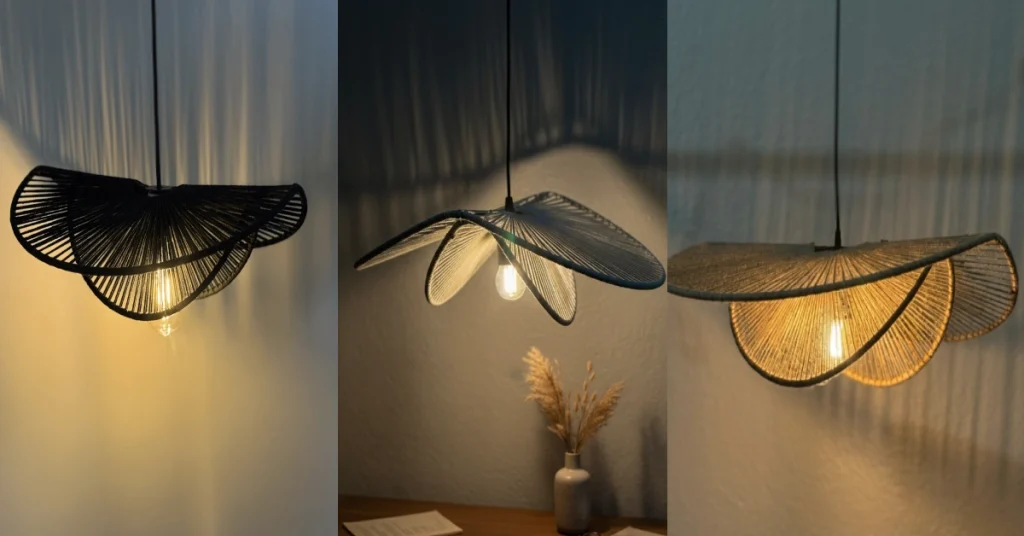
Artisanal lighting is the process of transforming modern interiors by combining handcrafted design, cultural storytelling, and warm ambience. Unlike factory-made lighting, artisanal lights are created by skilled artisans who treat every piece as a work of art. If you’re new to handcrafted décor, this beginner’s guide explains what artisanal lighting is, why it matters, and how it can elevate your home into an aesthetic and beautiful paradise. What Is Artisanal Lighting? Artisanal lighting refers to handmade light luminaires crafted using traditional techniques and thoughtful materials. Each piece is designed with a lot of attention and detail oriented which feels personal, authentic, and unique in nature. Well, artisanal lighting celebrates human creativity and heritage craftsmanship rather than mass production in a factory. It holds the story, culture, and tradition of the artisans. Key Features of Artisanal Lighting & Handicrafts in Nepal 1. Handcrafted by Skilled Artisans Artisanal lighting is crafted by skilled artisans using traditional techniques passed down through generations. It is turned into the form of handicrafts, where each piece is carefully shaped and woven using hand and real skills. These handmade lighting products show the true essence of handicraft in Nepal, where artistry and precision come together. 2. Natural & Sustainable Materials Many Nepalese handicrafts are made using locally sourced, eco-friendly materials. Artisanal lighting often includes: These types of materials create a soft, warm glow while supporting sustainable production, which holds an important value in the traditional handicrafts of Nepal. 3. Cultural & Artistic Identity Artisanal lighting represents more than lamps. It tells a story about: Each piece represents the rich roots of handicraft in Nepal. It also reflects the interior’s cultural depth and artistic meaning in your space. 4. Designed for Longevity Instead of factory-made options, artisanal lighting prioritizes durability and timelessness. The handmade products are crafted for longevity. Artisanal lighting emphasizes: This makes handcrafted lighting a sustainable investment for homes and commercial spaces. 5. Authentic Nepalese Handicraft Appeal Most of the artisanal lighting made in Nepal highlights: This authenticity attracts global buyers who are interested in handicrafts from Nepal and Nepalese handmade décor. 6. Helping Local Artisans Thrive Supporting handicrafts in Nepal helps: Ethical handicrafts resonate strongly with conscious consumers and international markets. Handmade products with a good story appeal to buyers all over the world. Likewise, handicraft products stand out in global markets and high-end boutiques. 7. Custom & Bespoke Handicraft Lighting Many artisanal lighting products offer customization, including: Well, the customized handcrafted lighting is especially popular among architects and interior designers for both traditional and aesthetic touch. 8. Ideal for Modern, Rustic & Luxury Interiors It is the fact that handcrafted lighting blends seamlessly with: This versatility increases demand for Nepalese handicraft lighting across multiple design styles and regions. 9. Statement Handicraft Décor Pieces Artisanal lighting functions as both décor and art. These handcrafted fixtures: They can be portrayed as the centerpiece items in handcrafted home décor collections. 10. Sustainable & Eco-Friendly Lifestyle Choice You can choose handicrafts instead of  factory-made products to support: As more buyers seek sustainable handicrafts from Nepal, this growing interest helps to drive consistent organic visibility and reach. Artisanal Lighting vs Mass-Produced Lighting Artisanal Lighting Mass-Produced Lighting It is handmade craftsmanship by skilled artisans The products are manufactured in the factory It showcases the Unique designs with handcrafted details The lamps and lights are almost identical replicas The handicraft lights are eco-conscious, with low-waste production It is produced on an industrial production Each piece has deep cultural and artistic storytelling aspects Every piece is commercial design Handicraft lights and lamps have a premium quality with long-term value The mass-produced lights have Short-term affordability Therefore, artisanal lighting stands apart as a form of functional handicrafts, while mass-produced lighting prioritizes speed, cost, and profit. Why Choose Artisanal Lighting for Your Home? ✨ Enhances Ambience Most of the handcrafted lighting is crafted with natural materials and thoughtful design to diffuse light gently, creating warm, calm, and inviting spaces. 🏠 Elevates Interior Design Each artisanal light is a statement décor piece that adds texture, character, and visual interest that instantly elevates interiors. 🌿 Eco-Friendly Choice Artisanal lighting is woven with sustainable materials and traditional techniques, reflecting an eco-conscious lifestyle and responsible production for a clean environment. 🤍 Supports Artisan Communities If you choose artisanal lighting, it directly supports handicrafts in Nepal. It also helps to preserve traditional skills and empower local artisan communities. Best Spaces for Artisanal Lighting Artisanal lighting is versatile and works beautifully across various spaces: These handmade lights enhance both residential and commercial interiors. Artisanal Lighting at Mandap Jyoti At Mandap Jyoti, our artisanal lighting is inspired by Nepalese handicrafts, cultural heritage, and modern design sensibilities. Every piece is thoughtfully handcrafted using traditional techniques and natural materials to bring warmth, elegance, and meaning into your living spaces. Our lights are more than a décor item. They are expressions of handicrafts in Nepal, craftsmanship, and timeless artistry. Final Thoughts Artisanal lighting goes beyond lights and lamps. It brings story, character, emotion, and authenticity into a space. It is quietly transforming how a room feels and how people experience it. Each handcrafted piece carries the touch of the artisan who made it, making your lighting feel personal rather than mass-produced. By choosing artisanal lighting, you’re not only supporting sustainable practices but also helping to preserve traditional craftsmanship, including the roots of handicraft in Nepal. These pieces are made with care, patience, and respect for natural materials, and their motto is to last, not to be replaced like factory-made lights. The handicraft lights are perfect for a home, café, boutique, or hospitality space where artisanal lighting adds warmth, depth, and meaning. If you value handmade quality, eco-friendly design, and thoughtful craftsmanship, artisanal lighting isn’t just a design choice; it’s a conscious and timeless one.

What Is Artisanal Lighting? A Beginner’s Guide Read More »

Let's Chat!
Scroll to Top